![[AISI LOGO]](https://www.steel.org/wp-content/themes/steel-org/assets/images/steel-logo.png) American
Iron and Steel
Institute
American
Iron and Steel
Institute
Sustainability
American Steel Sustainability
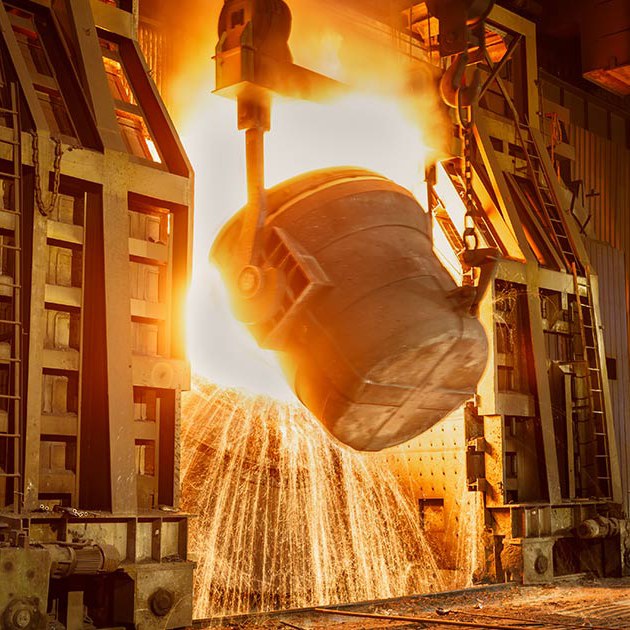
The American steel industry has the lowest greenhouse gas (GHG) emissions-intensity of the major steel-producing nations. This is because we increasingly power our operations with natural gas and zero-carbon electricity; our blast furnaces are almost entirely fed by lower-emitting domestically sourced iron ore pellets; we have adopted electric arc furnace (EAF) technology, where steelmakers use steel scrap to make new steel, at a much more accelerated rate than the global steel industry; and, we have increased the use of lower-emissions DRI (direct reduced iron) and HBI (hot briquetted iron) units in our furnaces. Also, new iron and steel facilities are being designed and have recently been built to be hydrogen-ready once clean hydrogen is available at scale.











American Steel Fact Sheets
Automotive
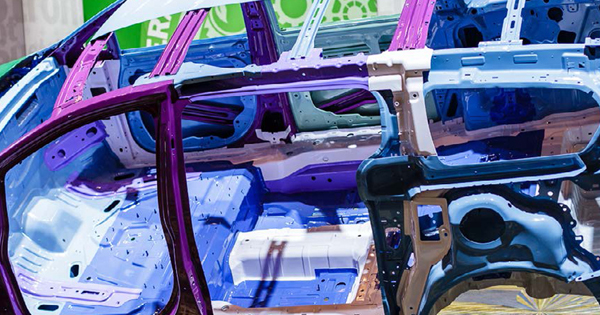
Current grades of AHSS can reduce a vehicle’s structural weight by as much as 25% and can cut total life cycle CO2 emissions by up to 15% more than any other automotive material.
Construction
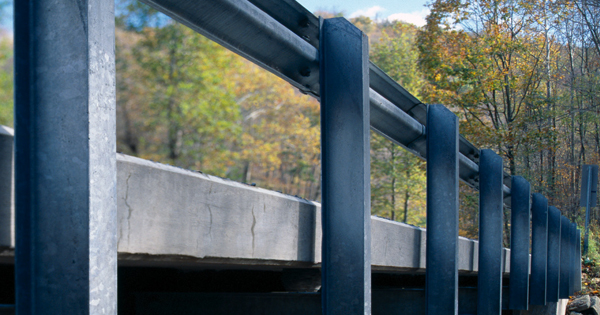
Steel is the material of choice by engineers and architects because of its inherent strong performance characteristics such as durability, reliability, versatility in design and consistency.
Steelmaking
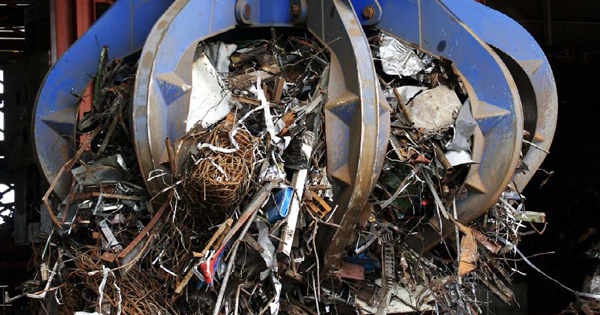
Producing a ton of steel today in the U.S. requires less than half the energy that was needed to produce a ton of steel 40 years ago, resulting in a 50% reduction in greenhouse gas emissions.
Steel Is The Material That Augments The Well-Being Of People And The Planet
Steel is vital to a modern, sustainable society. The same steel that enables manufacturers to make lighter, more fuel-efficient vehicles, and taller, safer structures is also continuously recyclable. While competing materials focus their sustainability claims on specific phases of product application, steel’s superior performance minimizes environmental impact when measured through the entire life cycle.
Steel’s contributions to helping achieve the triple bottom line of environmental, economic and societal sustainability make it vital to achieving the needs of today without impacting society’s ability to meet the needs of the future.
- The steel industry is fundamental to the manufacturing sector and to the overall American economy—accounting for more than $520 billion in economic output and nearly two million jobs in 2017 when considering the direct, indirect (supplier) and induced impacts. View our economic impact report for more.
- The steel industry is critical to daily life, domestic infrastructure and national security, providing for more fuel-efficient, safe cars, innovating infrastructure with lighter utility poles and bridges, lowering energy consumption and costs with steel roofing and giving access to nutrition in times of emergency and financial need.
- Steel advances the quality of life Americans enjoy through innovation and proven performance through five-star safety rated auto bodies, durable framing for buildings that holds up in high winds, earthquakes and fire and eliminating food waste with pre-measured packaging with a long, stable shelf-life.
- Codes and standards for steel construction enable more cost-effective and efficient practices for designers and builders to utilize, which ultimately improves stakeholders’ bottom line.
- The steel industry is actively dedicated to meeting society’s needs and advancing environmental stewardship, achieving a 35 percent reduction in energy intensity and a 37 percent reduction in greenhouse gas intensity since 1990.
- Vehicles using high-strength steels provide significant reduction in emissions when looking at the energy-intensive production processes of competing materials in the auto sector.
For more information on steel’s sustainable properties, contact Tyler Hengen, AISI Director of Sustainability (thengen@steel.org).